
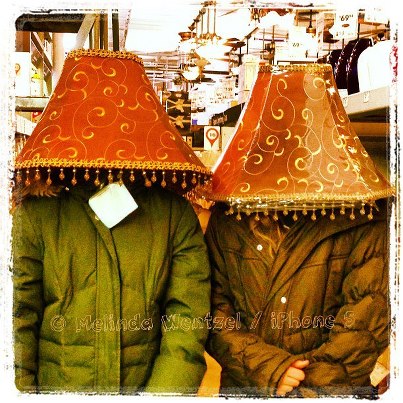
 I’m not especially sure that I was meant for mothering—with all its rigors and responsibilities, and those insufferable shades of gray. Simply put, I’m just not wired for it. I much preferred being able to place chunks of my life into tidy little squares, where I could tend to them separately and manage my world at will. Becoming a mother changed all that. I learned that children don’t do the tidy little square thing. In fact, they don’t do the tidy little anything, nor are they built for confinement of any sort. I also learned that there is no logical formula in existence for raising teenagers. I only knew that I’d need to tie on my sneakers.
And as I look around at other women who were thrust into the role for one reason or another, I think, “Wow. They’ve really got it all together—ferrying their kids here and there without missing a beat, sprinkling their beloved charges with balanced meals and an abundance of feel-good blurbages, oozing patience and composure at every juncture in life, no matter how harried the schedule or demanding the pace.” Nothing, it seems, rattles them, even when they discover one of many cruel truths of parenthood: that they don’t get to choose their children’s friends—a control freak’s living nightmare.
They stay on top of things, too, these supermoms—like homework and school functions, birthday parties and soccer leagues—and of course, all the really important stuff like remembering ballet slippers, shin guards and library books for the right child on the right day of the week. They also recognize the importance of filling minds with wonder and lunchboxes with love. My paltry lunch pail offerings (i.e. “I love you” notes scrawled on scraps of paper and tossed in with a sandwich and crackers) are at best hastily prepared, pitifully cliché and often faded and crumpled from recycling. “Have a great day, Hon!” is pretty much all my frazzled brain is capable of churning out on the fringes of my day. The lunches themselves are dreadfully dull, too, which is perhaps a sad reminder of how horribly inadequate I sometimes feel as a mom—notes or no notes.
Occasionally I fail to summon the humor and flexibility needed to approach such an impossible task, as well as the wisdom to accept that some battles as a parent just aren’t worth fighting—especially those that involve six-year-olds and mashed potatoes or teenagers and five-year plans. “Let it go,” I need to remind myself again and again. Certainly, there are more important issues with which to concern myself—like the beefy toad I found on the coffee table recently, warts and all. And the mouse-tail stew that had apparently been concocted in the garage/laboratory and subsequently smuggled into the kitchen. God only knows how long it had been brewing there and what other bits of foulness had been added to the stagnant pool of repulsiveness. Color me oblivious, yet again.
Kidding aside, I’d like to know how other moms do it. How do they keep all the balls in the air? All those plates spinning—as if flawless extensions of themselves? Maybe it has something to do with my multitasking skills—or lack thereof. Simply put, I stink in that category—which contributes greatly, I think, to the whole woefully-inept-mommy thing. Over the years, I’ve been forced to develop just enough juggling proficiency to get by—enough to get me through a day’s worth of kid-related chaos to include the morning frenzy to catch the bus and the after-school circus, when backpacks are emptied, bellies are filled and the air is inundated with multiple conversations, all of which I am expected to attend to meaningfully. The homework gig is yet another monstrous challenge for my sorry set of skills, mostly because I try to do everything SIMULTANEOUSLY. Because that’s what moms do best—at least the good ones, equipped with a multitasking gene.
I’m sure much of the ugliness would go away if I were capable of turning off or at least filtering the noise in my head so that I could focus on each task individually—instead of trying to absorb and act upon everything that floats across my radar screen. I’m doing one thing perhaps—like driving the kids to ballet, but I’m thinking about the last six things I’ve done, critiquing myself to death in the process, while catapulting forward to the next seventeen things I will do before bed, all the while fielding inane questions like “How can people buy invisible dog fences if nobody can see them, Mom?”
It’s no wonder that I sometimes wind up at the soccer field curious as to why my kids are wearing tutus and not cleats.
Planet Mom: It’s where I live.
Copyright 2007 Melinda L. Wentzel
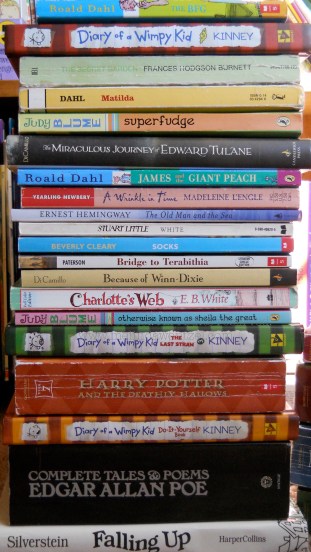 There are letters, phonetic elements and, of course, words to which a vast array of meaning has been assigned over the course of history. Building blocks we parents turn to as we go about the important business of raising a reader. We tap our well of instructional instincts, consider our own path to literacy and look to the experts who willingly share all that we’ll ever need to know about teaching a child to read. Furthermore, we immerse our charges in literature, expose them to robust vocabulary, swear by the tried-and-true merits of repetition and, of course, read to them from the moment they become implanted within the uterine wall. Intuitively, we assume these ingredients help form a solid foundation upon which layers of understanding will take root and a lifelong love of reading will flourish. Theoretically, this is all well and good.
 We have a library in our house, which sounds slightly more impressive than it actually is. The area in question is far from a sprawling expanse littered with overstuffed chairs and an abundance of narrative gems. More correctly, our so-called library occupies a modest corner of our home—a place where a blue-checkered playpen once stood seemingly forever. Nevertheless, it is a space devoted to all-things-bookish. A small yet infinitely important enclave that exists for the sole purpose of fueling my children’s passion for reading.
 I own a handful of trendy t-shirts emblazoned with the slogan: LIFE IS GOOD. I wear them because they’re ridiculously soft, they feature stick figures with infectious smiles and, quite frankly, because I like the upbeat message they send to the big, bad world. Often times, people will stop me in the grocery store or post office, point at my shirt and nod in agreement: “Yeah, life is good, isn’t it!” which is great, because sometimes I’m the one that needs a reminder.
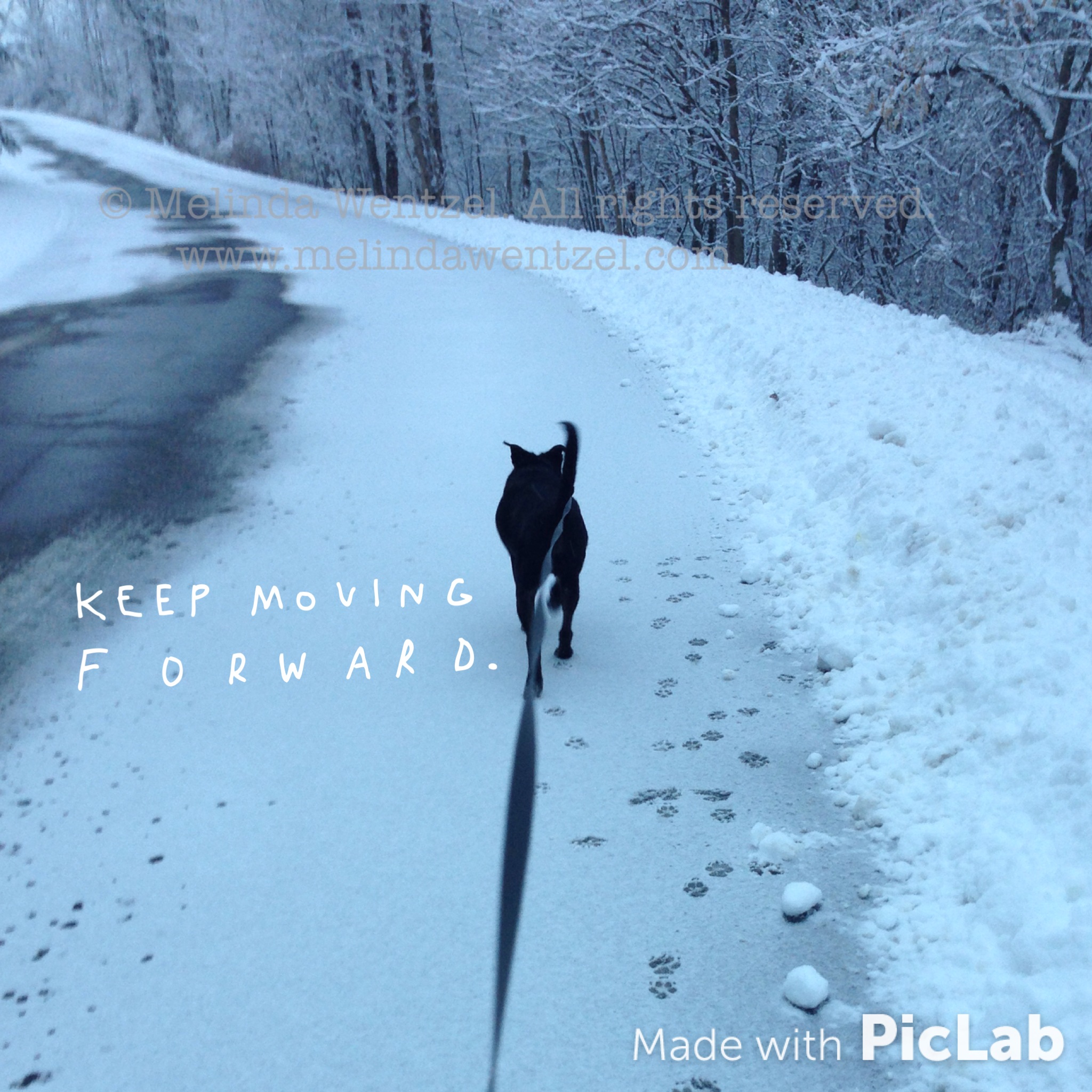
 He had the softest ears of any dog I’ve ever known. That said, I almost never passed up an opportunity to caress them. Nor could I deny how I loved snuggling with him on the couch, his box-like body curled up and wedged next to mine—safe and warm. No matter what the day had thrown at me, I knew I could always count on him to erase the tension and to reconnect me with the here and now, almost the instant I stroked his fur and scratched behind his ears.




































 Planet Mom